
Decentralized Clinical Trials 101: A Practical Guide for Dietary Supplement Brands
By Laetitia d’Ursel from People Science, the clinical research organization whose team pioneered decentralized trials.
From formulation to post-market insights, decentralized clinical trials are redefining how brands build trust, evidence, and growth.
When consumers decide whether to buy your product, two questions drive their choice:
- Is it safe?
- Does it really work?
For health and wellness brands, these aren’t just marketing questions, they’re the foundation of trust, differentiation, and long-term growth. The only way to confidently answer them is through scientific research, ideally a randomized controlled trial (RCT).
But here’s the problem: More than 70% of health and nutrition brands can’t afford to run a traditional RCT.
Conventional trials are expensive, complex, and time-consuming, often costing hundreds of thousands of dollars and taking a year or more to complete. As a result, most brands fall back on borrowed science, referencing published studies on individual ingredients rather than testing their actual finished product.
While this approach checks a regulatory box, it doesn’t build brand credibility or differentiation. Consumers are increasingly savvy, they want to know your product works, not just that one of its ingredients worked in someone else’s study. Retailers and investors, too, are looking for product-specific data that demonstrate true innovation and efficacy.
This is the evidence gap that decentralized clinical trials (DCTs) are now closing.
What Are Decentralized Trials and Why They Matter
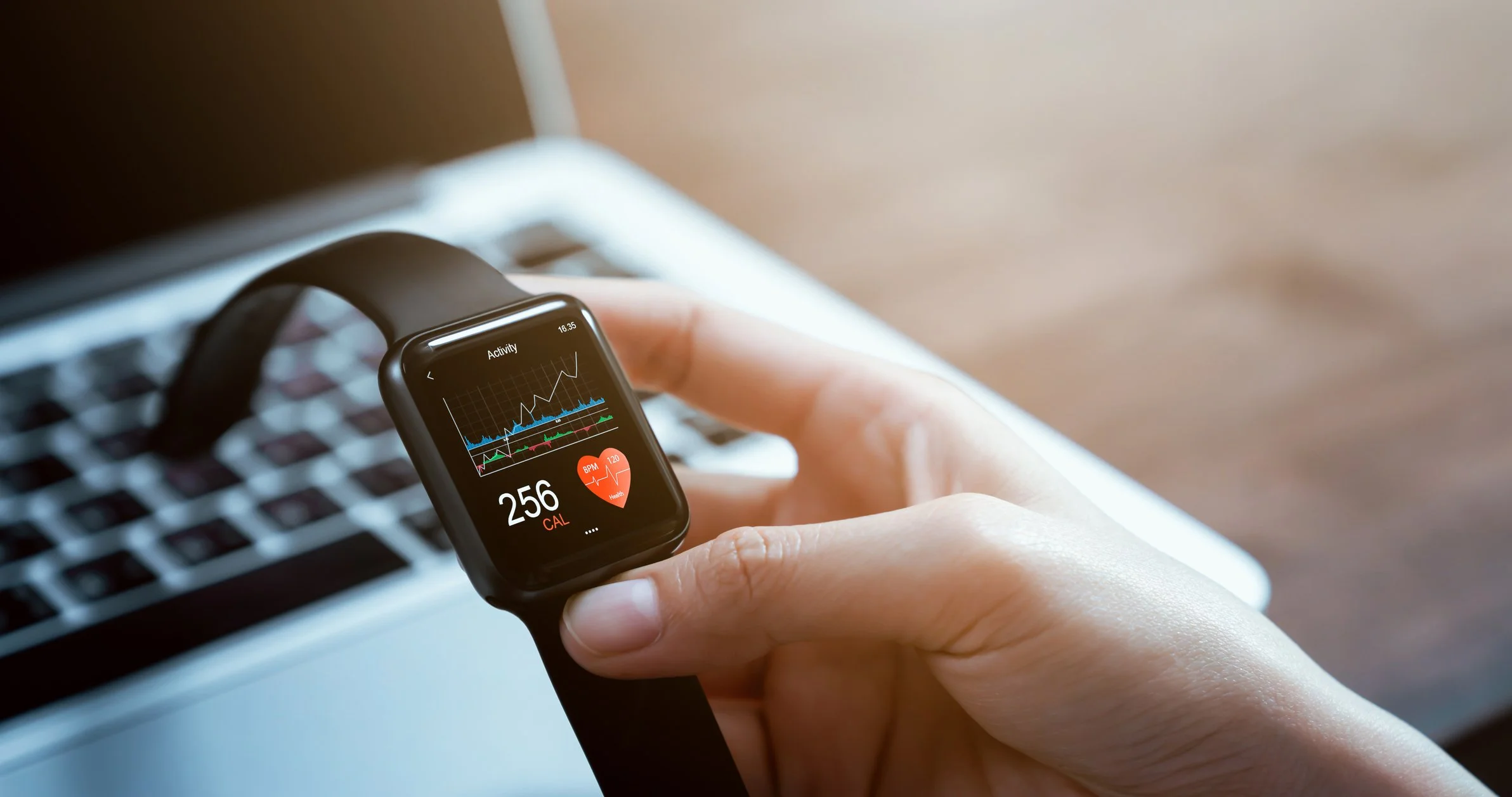
Decentralized clinical trials bring research into the real world. Instead of relying on brick-and-mortar research sites, DCTs use digital tools, like wearables, at-home biosampling kits, and mobile apps, to collect study data directly from participants, wherever they are.
By removing the need for physical sites, DCTs dramatically reduce costs and timelines while improving participation, diversity, and retention. They also allow brands to study how their products perform in everyday life, where consumers actually use them.
For the wellness and nutrition industry, that means credible, product-specific evidence is now within reach.
And more importantly, DCTs can support your brand at every stage of the product lifecycle, from early formulation testing to post-market insights.
Step 1: Use Research Early, starting at Formulation and Feasibility
In early development, research can guide smarter decisions and reduce risk. Small, fast, exploratory studies (20–200 participants) can help brands:
Optimize formulations by testing dosage or ingredient combinations for effectiveness and tolerability..
Identify promising health benefits and the right clinical endpoints for future RCTs.
Attract investor confidence by generating early human data.
These early studies can be launched in weeks instead of months and often provide the signal data needed to guide formulation, messaging, and funding decisions before full-scale validation.
Step 2: Substantiate Claims with Randomized Controlled Trials (RCTs)
Once your formulation is validated, RCTs provide the scientific backbone for making structure–function claims under the Dietary Supplement Health and Education Act (DSHEA).
RCTs allow brands to confidently say, “Our product supports better sleep,” or “Improves recovery,” with data to back it up.
At People Science, we design RCTs that are:
Statistically powered: Ensuring results are meaningful, not due to chance.
Reproducible and compliant: Aligning with Federal Drug Administration (FDA) and Federal Trade Commission (FTC) guidelines.
Fit-for-purpose: Whether double-blind, crossover, or open-label, every trial is tailored to your product’s goals and target audience.
For brands, RCTs aren’t just about compliance, they’re a marketing and sales differentiator. In a market crowded with similar claims, your own product-level evidence becomes your strongest competitive advantage.
Step 3: Keep Learning Post-Launch with Real-World Insights
Once your product is in the market, the learning shouldn’t stop.
Decentralized, post-market studies allow you to continuously collect real-world data from actual consumers, closing the loop between product development and consumer experience.
This data can:
Validate ongoing efficacy and satisfaction in everyday use.
Identify who benefits most, helping refine audience targeting and messaging.
Reveal new health opportunities for line extensions or next-gen formulations.
With real-time data collected through apps like People Science's Chloe app, you can see how your products perform across demographics, health goals, and behaviors, helping you evolve faster than competitors.
Why Research Matters at Every Stage
Clinical research isn’t just a one-time validation tool, it’s a continuous growth engine.
In formulation, it guides development and reduces risk.
Pre-launch, it substantiates claims and builds consumer trust.
Post-launch, it drives innovation and lifetime customer value.
And with decentralized trials, this entire spectrum of research is now faster, more affordable, and more accessible than ever before.
A New Era of Accessible, Scalable Science
At People Science, our mission is to make high-quality clinical research accessible to every health and wellness brand.
Through our Chloe research platform, we help brands and ingredient suppliers run decentralized, participant-centered studies, from early feasibility and claim substantiation to real-world, post-market validation.
When science becomes part of your product lifecycle, not just an afterthought, you gain insight, trust, and differentiation at every step. Because in today’s wellness market, proof isn’t just power, it’s what sells.
Learn more about People Science
About the Author
Laetitia d’Ursel is dedicated to making clinical research more accessible and meaningful for the nutraceutical community. As Head of Marketing at People Science, she combines her 15 years in SaaS with a passion for human-centered innovation to help brands, educators, and practitioners generate evidence that truly reflects real-world health experiences.